Tree Health in Silver Lake, KS.
A tree health assessment examines the actual tree, its surroundings, and the changes you’ve observed. Topeka Tree Pro connects Greater Topeka homeowners with independent insured providers who can assess canopy, bark, roots, drainage, moisture, light, storm damage, and other possible causes before discussing next steps.
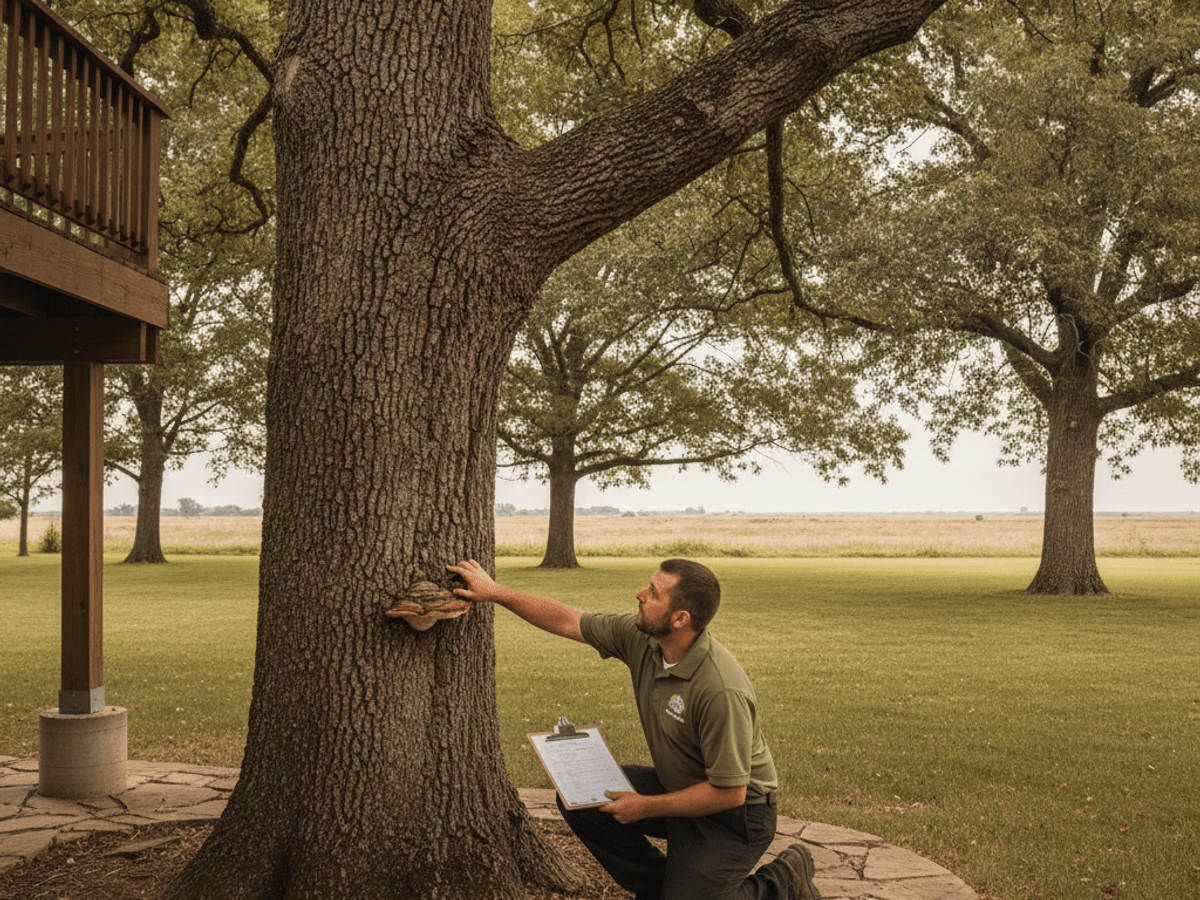
What makes tree health assessment and diagnosis different in Southwest & West Topeka?
For trees near Westboro, the Wanamaker corridor, Silver Lake, or Rossville, mention any recent digging, grading, construction, or drainage changes. Those details may help a provider evaluate possible root stress, but they don’t establish the cause. The assessment should consider the actual tree, symptoms, soil, moisture, light, and site conditions.
What should an estimate for tree health assessment and diagnosis in Silver Lake include?
- Connect with a provider who can inspect the canopy, bark, and root flare for visible changes.
- Connect with a provider who can evaluate possible pest or disease damage without diagnosing from one symptom alone.
- Request an assessment of possible structural concerns involving decay, roots, or storm damage.
- Discuss monitoring, treatment, pruning, or removal options based on the provider’s findings.
- Ask a provider to assess young or replacement trees alongside soil, drainage, moisture, and light conditions.
- Ask whether the provider offers written findings, and verify the qualifications supporting that opinion.
When does a Silver Lake home need tree health assessment and diagnosis?
- A tree's canopy looks thin, patchy, or is dying back
- You notice bark splitting, sap flow, or fungal growth at the base
- You suspect pest or disease damage and want the actual tree evaluated.
- You want a professional opinion before removing or keeping a tree
- A tree survived storm damage and you're not sure how much it was weakened
Frequently asked questions
How soon can I request tree health assessment and diagnosis in Silver Lake?
You can request an estimate for the work now. Provider availability depends on the tree, site access, current schedule and requested scope. Confirm timing and any estimate or visit fees directly with the matched provider.
What does tree health assessment and diagnosis cost in Silver Lake?
Pricing depends on the tree, access, obstacles and requested result. Ask for a written quote covering the agreed work and price. Confirm whether removal, hauling or stump work is included when relevant.
What are early signs a tree is in decline?
Early concerns can include a thinning or patchy canopy, dead branch tips, bark changes, fungal growth, or upper-canopy dieback. These observations can have multiple causes, so ask a provider to assess the tree, its roots, and surrounding site conditions.
Can a tree health assessment tell me if I have emerald ash borer?
A tree health assessment can document visible changes and determine whether further evaluation is appropriate. Similar symptoms can have different causes, so the provider should assess the actual tree before discussing treatment, monitoring, or removal.
Does tree species determine what is causing the decline?
No. Species can inform an assessment, but it does not establish the cause of decline. A provider should consider the tree’s visible condition, roots, soil, drainage, moisture, light, and recent damage before recommending next steps.
Need tree health assessment and diagnosis in Silver Lake?
Call to request an estimate from an independent insured provider.